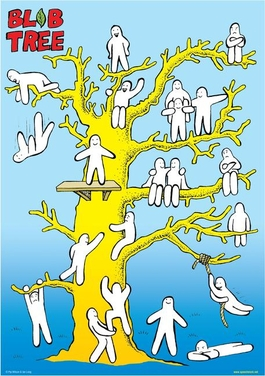
For instance, a student might identify with a blob hanging from a branch when faced with a writing task but choose one sitting comfortably on a branch during mathematics activities. These selections can indicate how confident or challenged students feel about different learning tasks. Understanding these emotional cues allows teachers to respond with encouragement, guidance, and appropriate support, which can significantly influence students’ motivation and engagement.
Supporting Motivation Through Students’ Psychological Needs
Research suggests that students are more motivated when three basic psychological needs are supported: autonomy, competence, and relatedness.
- Autonomy refers to having a sense of choice and ownership in learning.
- Competence involves feeling capable of completing tasks successfully.
- Relatedness refers to feeling connected to teachers and peers.
These needs are essential at every stage of schooling, though they may appear differently across age groups. Younger students may respond strongly to curiosity, praises, and tangible rewards, while older students may be motivated by personal goals, peer relationships, and individual interests.
Ryan and Deci (2000), through Self-Determination Theory, emphasise that nurturing intrinsic motivation – doing something because it is meaningful or enjoyable – leads to deeper engagement and long-term learning. When students are intrinsically motivated, they are more likely to ask questions, explore ideas, and take ownership of their learning.
Extrinsic motivators can still play a helpful role when used thoughtfully. Rewards, recognition, or structured encouragement can help initiate engagement, particularly when students initially lack interest in a task.
How then, can educators and parents get students to be motivated, especially with a demanding task like writing?
How then can we get students to be motivated?
“Motivation flourishes when students feel capable, connected, and in control of their learning.”
Writing Tools to Help Motivate Students
An area where students often struggle with motivation and presents a significant classroom challenge is writing. Writing requires complex thinking skills, including organising ideas, applying language knowledge, and expressing thoughts clearly. For many students with specific learning needs such as dyslexia or ADHD, writing can feel overwhelming. When children feel unsure about how to begin or fear making mistakes, their motivation to write may decrease. In such situations, supportive strategies and scaffolding can help students feel more confident and willing to engage with the task.
One way to make writing tasks feel less daunting for students is to provide structured writing tools and clear scaffolding. Graphic organisers, sentence starters, and guided writing frameworks help students break down tasks into manageable steps, reducing students’ anxiety around such tasks. When students feel supported and capable, and experience small successes, they are more likely to approach writing tasks with greater confidence and motivation, improving this skill gradually.
Example of a writing organiser and scaffolding: Writing with 4-Hooks
Writing Title: Introducing a Popular Singapore Dish to a New Classmate |
Hook 1: Need | Start with relevance You are a buddy to a new foreign student in your class. Your teacher wants you to introduce a popular Singapore dish to this student. What would that dish be? |
Hook 2: Novelty | Games to break monotony Hangman words relating to popular Singapore dishes, guess the picture or sentence starter _ _ _ _ _ _ _ _ _ _ _ The first dish you must try in Singapore is…  |
Hook 3: Meaning | Links to real-life Provide passages or poster advertisements  “Hainanese chicken rice is a beloved dish that originated from the Hainan province in China, later becoming a staple of Singaporean cuisine. It is frequently considered Singapore’s national dish. Many people enjoy this delicious dish at breakfast, lunch or dinner.” |
Hook 4: Student Voice & Reflection | Provide choices for students to share to reduce anxiety and encourage engagement and participation How do you want to share your selection: mind map, point form, powerpoint, drawing |
A Call to Action
Motivation does not happen by chance and it is not simply about encouraging students to try harder – it is cultivated through thoughtful teaching practices and supportive learning environments. It is shaped by mindset, emotional experiences, and the learning environment that surrounds them. When students feel supported, capable, and connected, they are far more likely to engage meaningfully in their learning. By intentionally designing lessons that nurture curiosity, provide meaningful choices, and build students’ confidence, educators can play a pivotal role in shaping motivated learners.
Small shifts in classroom practice can have a powerful impact. When students feel that their efforts matter and their voices are valued, motivation becomes not just a momentary spark, but a sustained drive for learning. Fostering a growth mindset, paying attention to students’ emotional experiences, and providing the right learning supports educators and adults can create conditions where motivation thrives. When students believe that effort leads to improvement and feel safe to take risks in their learning, they are better equipped to persevere through challenges and develop into confident, lifelong learners.
Reflection Questions for Educators
As you reflect on your own teaching practice, consider the following questions:
- How do I currently support both intrinsic and extrinsic motivation in my classroom?
- What strategies do I use to help students develop a growth mindset when facing challenges?
- How can I better understand my students’ emotional responses to learning tasks?
- What scaffolds can I provide to help students feel more competent and confident, particularly in challenging subjects like writing?
Citation:
Ryan, R. M., & Deci, E. L. (2000). Self-determination theory and the facilitation of intrinsic motivation, social development, and well-being. American Psychologist, 55(1), 68–78.
Dweck, C. S. (2006). Mindset: The new psychology of success
Credits:
Kate Lim – A speech and language therapist registered with the Allied Health Professions Council (AHPC) and a counsellor
Steven Sim & Zakiyyah Masri – DAS Educational Therapists
Written by:
Hani Zohra
Educational Advisor
Principal Educational Therapist