
Keegan doesn’t fit neatly into boxes, and he never has.
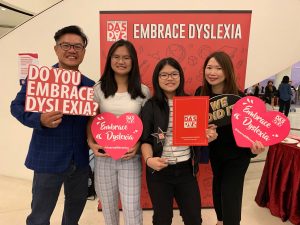
He and his brother, Killian, both graduated from DAS in 2012, an achievement made even more significant by how early it came, Primary 3 for Keegan and Primary 4 for Killian. They were among the rare students who not only responded well to early intervention but also exited the Main Literacy Programme successfully and ahead of schedule.
Diagnosed with Autism Spectrum Disorder (ASD), dyslexia, and attention deficit hyperactivity disorder (ADHD), Keegan’s educational story is anything but typical. School still felt like an awkward fit. The pacing, the expectations, the lack of clarity, it all created friction.
Keegan developed his own strengths, especially in summarising material and identifying the core of a concept. These skills served him well in his first degree: Literature. His educational psychologist once described him as “gifted.” But even with that recognition, the system wasn’t built for how he processed the world.
Keegan also credits his older brother, Killian, for helping him navigate the social landscape of school. While Keegan excelled at spotting patterns and summarising material, he struggled with emotional regulation, especially during moments of conflict or injustice. His instinct, he admits, was often retribution.
“There were times I wanted to take retribution on classmates. I didn’t understand how to handle it. Killian would step in, he’d calm me down, talk it through, and basically stop me from getting into trouble. He was my translator for the social world.”
Killian’s quiet support became a stabilising force. He was the one who reminded Keegan to breathe before reacting, to pause before lashing out, and to look beyond the immediate emotion. While others may have seen Keegan’s intensity as defiance, Killian saw it for what it was: a different way of experiencing the world.
Then, something unexpected happened. He fell in love with science, Biology, especially microbiology. It began to spark a new curiosity, one that blended the analytical with the philosophical. He enrolled in a Biological Sciences degree.
“Science felt like a new lens to make sense of the world. But the structure of university still wasn’t built for how I learn.”
That became most obvious when he failed two quizzes in a module, not because he didn’t understand the content, but because they relied on rote memorisation of facts that so often doesn’t align with how neurodivergent students process information. It also demonstrates that learning differences persist beyond primary and secondary school. So, Keegan did what few others would do.
He wrote a 6,000-word feedback report to his lecturer, including citations, explaining how the teaching method and measurement of learning was not accessible for neurodivergent learners.
“It wasn’t about complaining. I broke down every flaw in the module’s design, explained how it could be more accessible, and showed the disconnect between the assessments and the intended learning outcomes.”
To the module coordinator’s credit, he listened. Changes were made. Key concepts were flagged more clearly in lectures, and assessments were adjusted to better reflect learning goals.
“He treated my letter with respect and acknowledged the soundness of my argument despite its unbridled incandescence. There is a large variance in how these coordinators treat students. It betrays a scarcity of knowledge in the pedagogical training that university lecturers possess when teaching those with neurodiverse needs.”
This wasn’t an isolated act of advocacy, it was part of how Keegan sees the world. He doesn’t just want to succeed. He wants to make systems better for those who come after him.
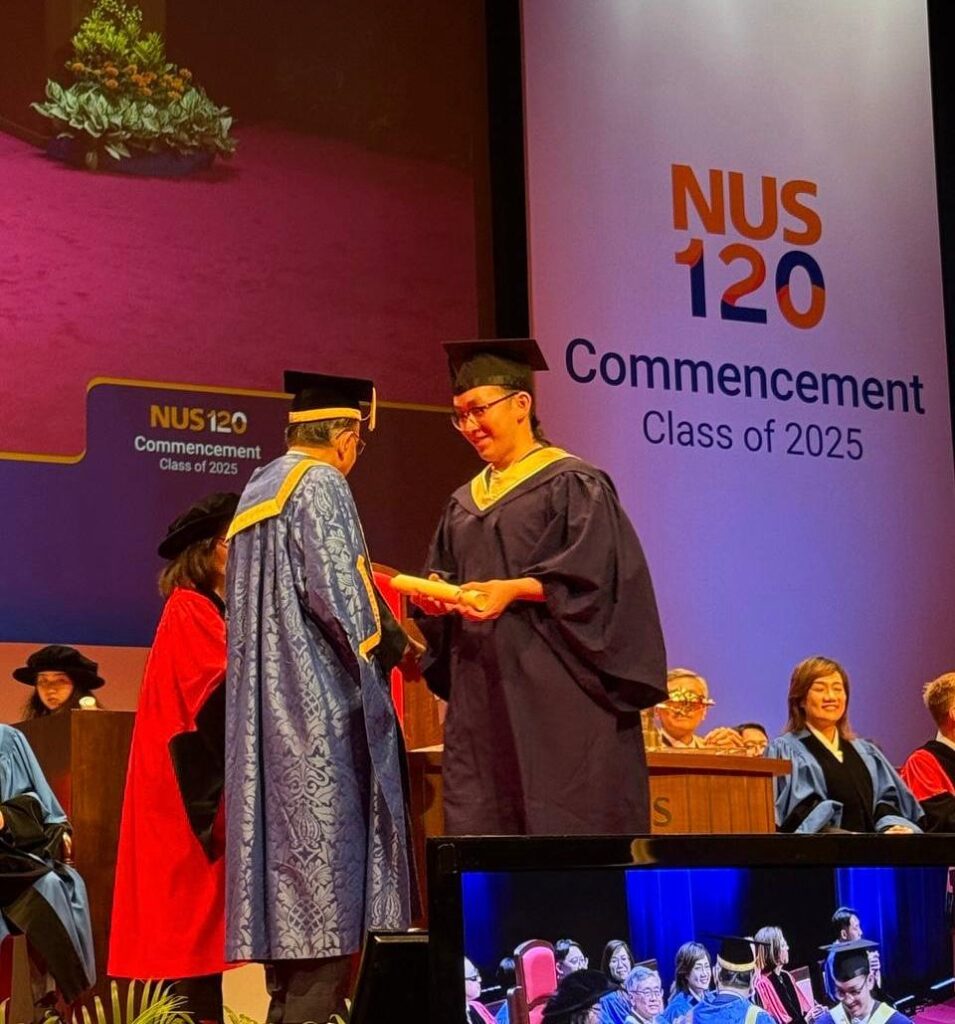
His story is one of neurodivergent brilliance that fuses language and logic, science and structure. He’s a strategist, a critic, and a future researcher with a deep awareness of what real support should look like. Keegan has revealed that he is on the path to undertaking a PhD! A testament to both his academic evolution and his commitment to reshaping systems that once failed him.
“When parents are brave enough to name the challenge, kids learn to be brave enough to meet it.”
Thanks to that bravery, his mother’s and his own, Keegan is on track to do more than earn a degree. He’s on track to change minds.