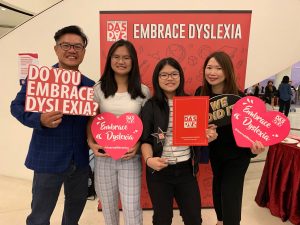
Behind every assessment at DAS is a psychologist who works carefully to understand each child’s unique strengths and needs. Scarlet Leong and Siti Nur Amirah, two of our psychologists, share what their work looks like, what inspires them, and how they support children and families through the assessment journey.
I enjoy working at the DAS because…
Scarlet: The work is meaningful. I get to help children discover their strengths and support families in understanding how best to help their child thrive. The teamwork and shared purpose among colleagues make it even more rewarding.
Amirah: (Similar to Scarlet) I love being able to help parents piece together the different aspects of their child’s profile to better understand their needs and how best to support them. I also appreciate the continuous learning opportunities at the DAS, which allow me to keep growing my skills to better support our students and their families.
I specialise in psychoeducational assessments because…
Scarlet: I have always been curious about how children think and learn. Every child is different, and assessments help me understand what is behind their learning challenges and more importantly, what can help. It is a bit like putting puzzle pieces together to see the full picture.
Amirah: I want to help children who have learning challenges be better understood and supported. Growing up, I was fortunate not to struggle much in school, and it wasn’t until I learned about learning differences that I realised how significantly some children can struggle despite their best efforts. Through assessments, I hope to help parents gain clarity about their child’s learning needs and empower both families and teachers with the knowledge and strategies to help each child thrive.
A typical day for me starts…
Scarlet: Before everyone settles into office, I start my day with some quiet time to go through case notes and get ready for what is ahead. In addition to two or three assessments each week, I use the time I have left to write and vet reports, supervise junior psychologists, prepare for talks or professional development sessions, coordinate marketing efforts, and catch up on admin. Somewhere in between, I remind myself to breathe and grab a cup of bubble tea to keep me going.
Amirah: My day usually starts with making a to-do list! It helps me stay focused on what needs to be completed and keep track of my tasks throughout the day. Quite similar to Scarlet, when I’m not conducting assessments, I spend my time scoring and vetting protocols, writing reports, consulting my supervisor, and meeting with parents.
The children and families I work with are…
Scarlet: All so different, but what stands out is how much they care and try. I have met so many parents who go the extra mile for their child, and so many children who keep trying even when things do not come easy. Their resilience always inspires me.
Amirah: I think they are courageous. For many parents, dyslexia and other learning difficulties are something new (and probably not so common during their generation). It takes courage for them to come forward, open to learning more about it, and willing to understand how best to support their child.
I love children who are…
Scarlet: Curious, honest, and unfiltered. The ones who ask unexpected questions or say things that make me laugh out loud.
Amirah: I love chatty children! (Although this can sometimes make assessments take a little longer because they always have so much to share.) Still, it’s always fascinating to hear their stories and see the world through their eyes.
Things that put a smile on my face…
Scarlet: When parents understand their child better and begin to empathise with them more, when they are on board with the recommendations and their child starts feeling less misunderstood and receives the right forms of support. It also makes me happy when teachers are eager and proactive in putting support strategies in place because then I know the child is in good hands at school.
Amirah: A good cup of iced coffee during lunch! On a serious note, it makes me happy hearing parents say they better understand their child after we go through the assessment results. It also makes me happy to see children finish their assessments on a positive note. Assessments can feel quite long, especially for young children, so I make sure to praise and reward them for pushing through. By the time their parents come to pick them up, you can often see the children beaming with pride and those moments are truly heart-warming.
It breaks my heart when…
Scarlet: A child starts to feel like they are not good enough. No one should feel that way just because learning is hard. Every child grows at their own pace, even flowers bloom in their own time, and that does not make one any less beautiful than the other.
Amirah: It breaks my heart when children are dealing with challenges beyond learning, like difficult family situations or bullying. It’s already challenging for a child to have a learning difficulty, and I can only imagine how much harder it must be when they’re facing additional hardships at such a young age.
My advice for parents…
Scarlet: To seek professional help as early as possible because the sooner the right support is in place, the better the outcomes. Along the journey, focus on effort rather than results. Celebrate small wins and always encourage your child to try. Progress takes time, but it is always worth it.
Amirah: For me, it’s to start early in helping build their child’s confidence and self-esteem. Help them to explore their interests and develop their strengths, so that learning challenges are seen as just one part of who they are. Furthermore, when children feel capable and valued, it not only supports their learning but also promotes their overall well-being.
Driven by a passion for helping children thrive, our psychologists bring both expertise and heart to the assessment process. Their work goes beyond testing, it’s about understanding each child as a whole learner.
For parents who wish to learn more about their child’s learning profile, the DAS SpLD Assessment Services offer comprehensive psychoeducational assessments conducted by trained psychologists. These assessments help identify your child’s strengths, areas of need, and appropriate support pathways to promote their learning and well-being.