From Catching Up to Moving Ahead: The Key of Early Support

Many parents think extra support is about helping a child to just “catch up.”

But what if it is actually about helping them move ahead as well?

There is the common advice; practice, more worksheets, more exposure. But if a child processes language differently, doing more of the same does not address the issue or solve the problem.

What they need is a different approach.

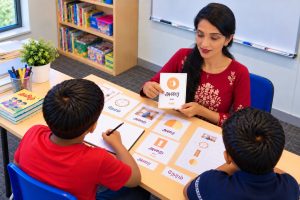
At the DAS Preschool, we focus on how children learn, not just what they learn.

This is what that looks like:

  1. A Strong Foundation
    Like building a house, literacy needs a solid base. We strengthen phonological awareness, which is the ability to hear sounds in words, so reading becomes easier and more natural.
  2. Confidence Through Understanding
    When children understand why sounds and letters work the way they do, frustration decreases. They stop feeling lost and start feeling capable.
  3. The Gift of Time
    Early support is the key to narrow the gap. This means the child is ready to access learning as he continues with his education. 

This is not about remediation. It is about giving children the key to an advantage that lasts beyond preschool year.

DAS offers free online preschool screenings for K1 and K2 children. These screenings help determine whether:

• Your child is meeting expected literacy milestones
• There may be early learning gaps
• Your child could benefit from the DAS Preschool Programme

Register for Preschool Screening now! 
Click here to find out more about the Preschool Programme.
Or take a look at this Parent Checklist.

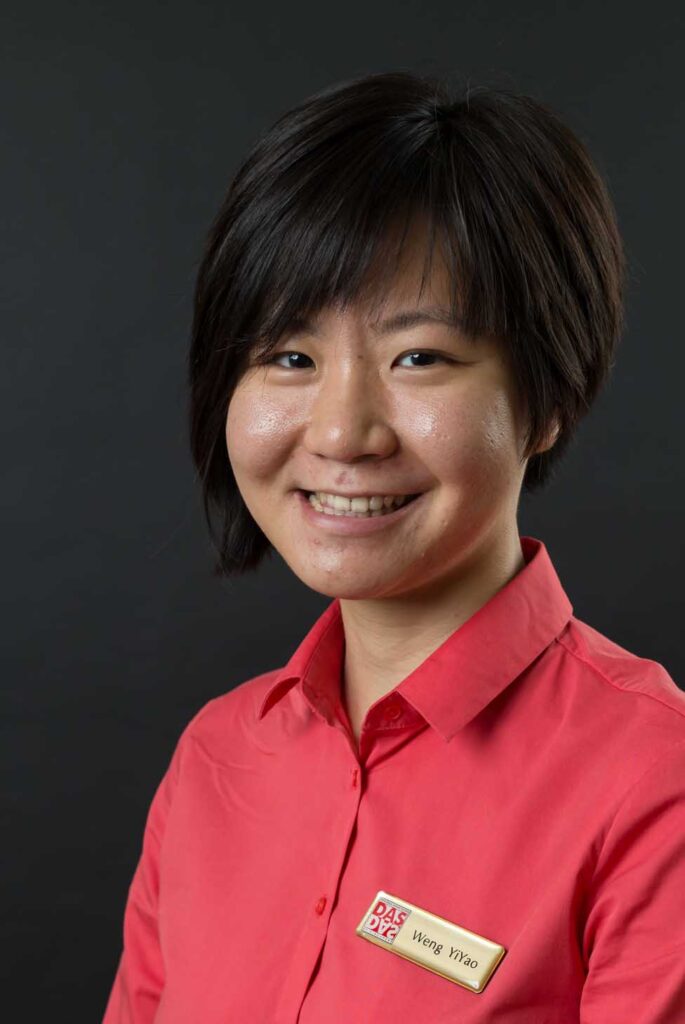
Weng Yiyao
DAS Preschool Programme Manager and Lead Educational Therapist

About The Author

Weng Yiyao is the Lead Educational Therapist and Preschool Programme Managaer at the Dyslexia Association of Singapore (DAS). With over a decade of experience, she specialises in supporting preschoolers with dyslexia through targeted literacy interventions. Passionate about empowering young learners, Yiyao is also a fellow of the Register of Educational Therapists Asia (RETA) and holds a Master of Arts in Special Educational Needs.