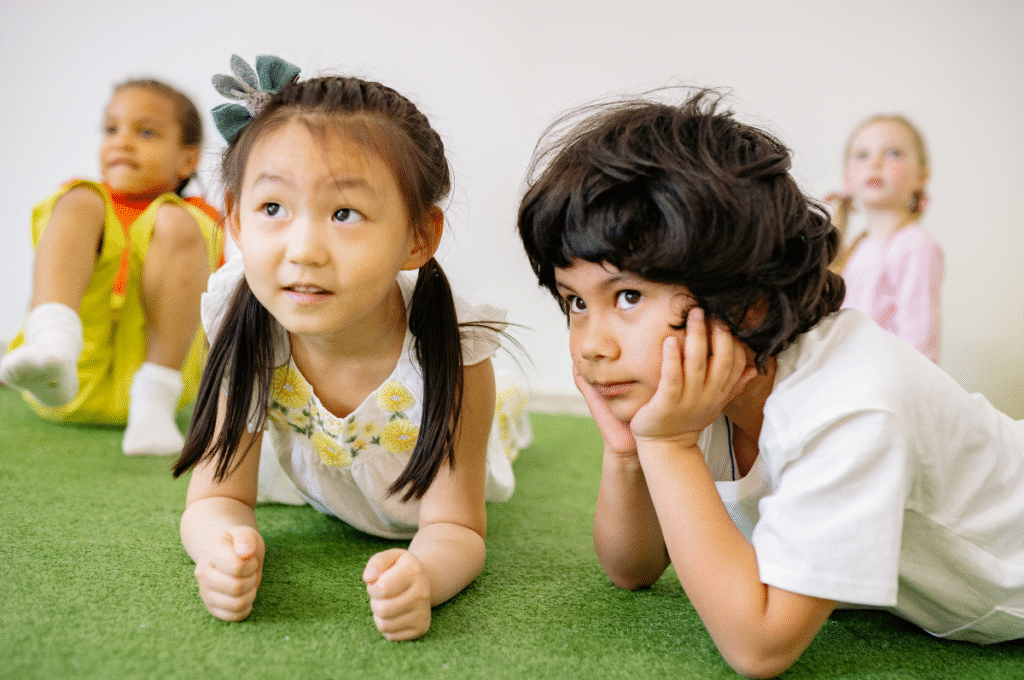
For every class a teacher teaches, the students gradually develop their own bond and identity. Each class brings together a rich blend of personalities that shapes a unique classroom dynamic. As a teacher, delivering content is recognised as one of the main focuses of our role. In such environments, learning is shaped not only by what is taught but also by how relationships and interactions unfold in the classroom. A healthy and supportive classroom dynamic also contributes to the effectiveness and productivity of a class. When a class has a good dynamic, learning can take place more easily with fewer distractions and lessons can become more engaging because the environment feels safe and supported even for passive learners.
Therefore, in order to become an effective teacher, I believe that it is essential to learn how to navigate and manage classroom dynamics effectively.
Beyond Rules and Authority
Some may hold onto the initial belief that it is sufficient to manage a class just by setting clear rules and maintaining a strong authority. While building a sense of authority is helpful in setting clear boundaries and firming up rules and structure within a class, it is also important to understand that this mindset often comes with an expectation that the students would respond uniformly.
More often than not, this does not accurately depict a real classroom. In a class filled with students of diverse profiles, each student is likely to respond differently to different situations. By successfully managing the classroom dynamic, this will in turn contribute positively to the class environment.
In practice, it takes close observation of each student to understand their personality and how they approach things individually and in a group setting. The teacher’s role then remains as an important one because we will need to develop the experience to learn how and when to push forward and pull back based on the situation presented to us. In addition, we need to also be attentive to student’s feelings to ensure that no one is being overlooked.
Responding With Intention
As classroom situations are often shaped by complex emotions, we may sometimes feel the urge to intervene quickly, yet responding effectively requires a deeper understanding of student behaviour and classroom dynamics. For instance, when a student is known to become easily angered and frequently lashes out at others, it is essential to determine whether this behaviour forms a consistent pattern. If so, we should refrain from reacting impulsively and instead remain calm, responding to the student with intention and care.
To begin addressing this, we can first focus on identifying the underlying cause of the behaviour through careful observation, reflection and thoughtful deduction. When a student displays similar reactions in response to recurring triggers, the behaviour may be linked to external factors, such as a peer using certain words that cause the student emotional distress. On the other hand, the student may have yet to develop the skills needed to communicate their emotions effectively. As a result, these unmet emotional needs may build into frustration, eventually leading to an outburst.
In such situations, it becomes important for the teacher to step in with intention and respond thoughtfully and strategically by providing differentiated responses that are tailored to the needs and personalities of individual students, rather than enforcing a rigid, one-size-fits-all form of discipline within the classroom environment.
Instead of reacting immediately, we can practice exercising careful judgment, taking into account the emotional context and the underlying reasons behind a student’s behaviour. This involves allowing for flexibility and making conscious adjustments in the way we communicate, guide and respond to each student, ensuring that our approach remains supportive while still maintaining clear expectations and boundaries based on the demands of the situation.
At this point, when a student is triggered by an external factor, such as a peer’s poor choice of words, we can then calmly guide the student to reflect on and manage their own choice of words, while also helping them recognise how their actions may have affected others.
Modelling Respectful Communication
However, the process does not end there. We should continue to provide consistent reinforcement through gentle reminders and by celebrating moments when the student makes a conscious effort to improve. Even when the student struggles or falls back into old patterns, it is helpful to acknowledge the setback while reassuring them that they are still capable of making positive choices moving forward.
To fully inculcate and nurture these positive habits over time, teachers can intentionally model respectful communication during class, demonstrating what kind and thoughtful speech looks like so that it becomes a visible and lasting reminder for everyone.
Throughout the process of developing this skill, we also need to become more aware of our own reactions and consciously practise responding by adjusting our tone, pacing and approach to communication. It is not an easy journey, but we as teachers also need to learn to pause, observe and understand the situation before reacting, placing greater emphasis on listening rather than immediately speaking or correcting.
Keeping these principles in mind, cultivating a positive classroom dynamic will require a holistic and sustained effort. We need to establish consistency in the implementation of classroom expectations while remaining open to reflection, adaptation and responding to the diverse needs of their students. Such intentional efforts contribute to a healthier classroom climate and stronger student engagement, reminding us that teaching is as much about building relationships as it is about delivering instruction.
Taking Time for Growth
With this in mind, classroom dynamics cannot be mastered overnight. It is a gradual process that calls for continuous growth from both teacher and students as we learn to work together towards a balanced and supportive environment. Ultimately, teaching extends far beyond academic content, requiring ongoing learning, reflection and thoughtful adaptation in order to remain meaningful and effective.
Want to make a meaningful difference in a child’s learning journey? Join the DAS family and be part of a team that empowers learners to build confidence and thrive. Find out more here!