As we approach the end of another academic year, K2 parents often ask if their child is ready for Primary 1. While many parents tend to focus on literacy and numeracy, it is important to remember that a child’s readiness for formal schooling extends far beyond academics. In fact, many of the most critical skills are non-academic, yet they form the foundation for a successful learning journey.
Think of it as building a toolkit that helps your child navigate the classroom, interact with peers, and manage their learning environment with ease.
1. Self-Management and Independence
Can your child:
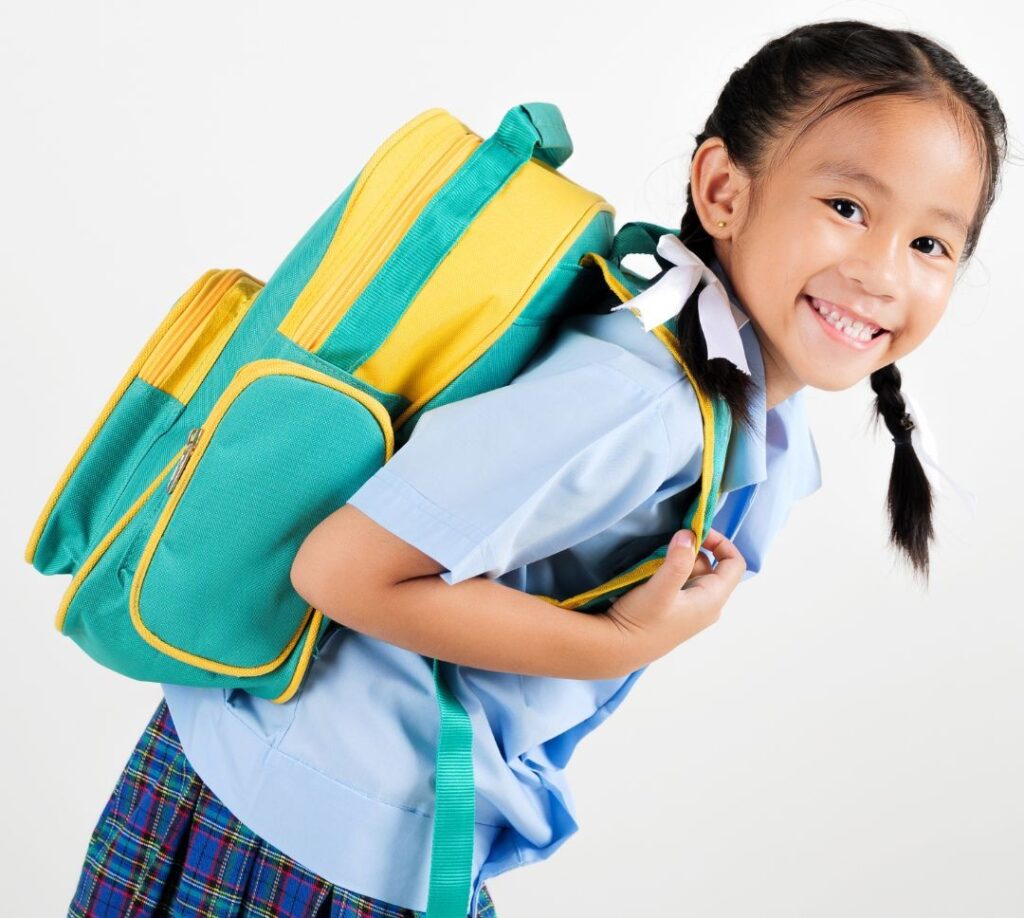
- Manage their personal belongings (lunchbox, water bottle, school bag)?
- Put on their shoes and uniform?
- Pack away their stationery or toys when asked?
- Ask for help when needed?
2. Executive Function Skills
These are essential mental skills for learning and life:
- Attention and Focus: Can your child sit and listen during class or while instructions are being given?
- Working Memory: Can they remember a short sequence of steps or a brief list of items?
- Self-Regulation: Can they manage their emotions when frustrated or wait for their turn?
- Task Initiation and Completion: Can they start a task when asked and follow through to the end?
3. Social-Emotional Skills
- Communication: Can your child express their needs, wants, and feelings clearly?
- Cooperation: Can they take turns during games or group activities?
- Empathy: Do they show awareness of others’ feelings?
- Conflict Resolution: Can they resolve minor disagreements with peers or appropriately seek help from an adult?
- Resilience: Can they bounce back from small setbacks or disappointments?
4. Gross and Fine Motor Skills
These practical skills, while not academic, support independence and participation in school activities:
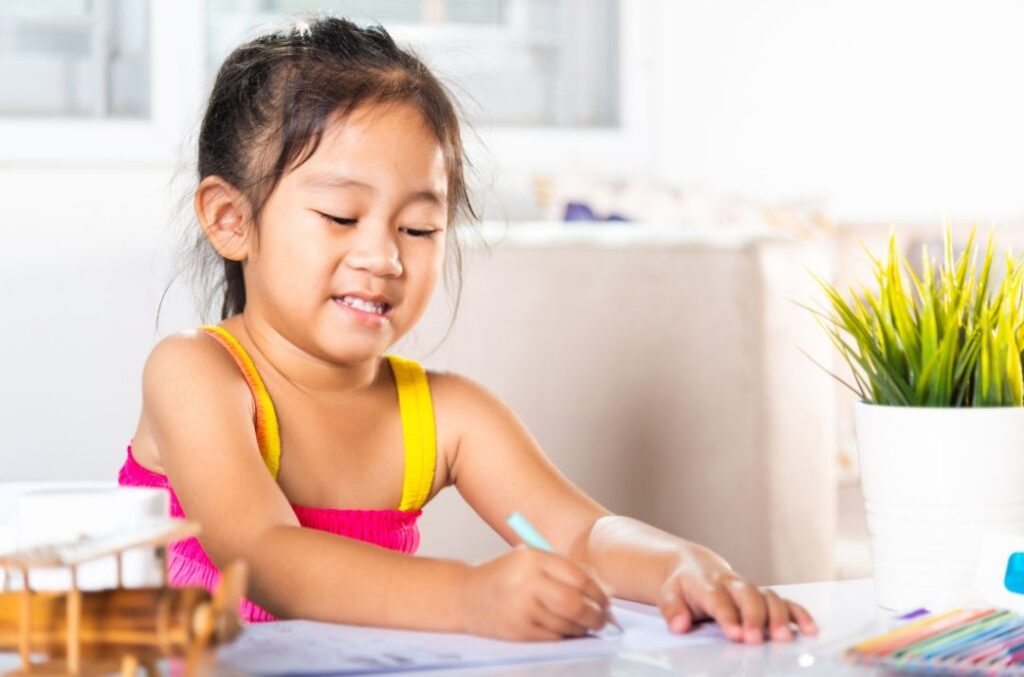
- Fine Motor Skills: Holding a pencil correctly, using scissors, managing buttons or zips.
- Gross Motor Skills: Walking with their school bag from one location to another independently, climbing stairs, and taking part in physical play or structured activities.
How Parents Can Nurture These Skills at Home
The good news is, you’re likely already supporting these skills through everyday routines and play. Here are a few intentional ways to continue nurturing them:
- Foster Independence: Give your child small responsibilities, such as clearing their cutlery after meals, choosing their clothes, or helping with simple chores such as loading laundry or wiping tables.
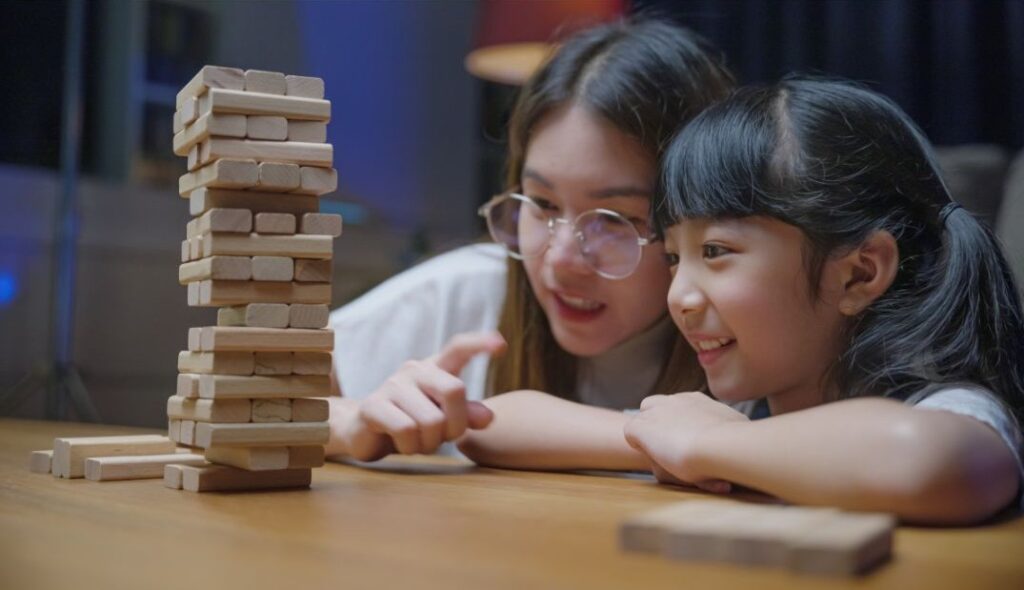
- Play Games That Build Focus: Engage in board games, puzzles, or games such as “Simon Says” to develop listening and concentration.
- Encourage Social Interaction: Arrange playdates, visit playgrounds, and role-play common social situations to help your child practice sharing and communication.
- Read Books About Starting School: These books help prepare your child for common school experiences, open up conversations about feelings, and introduce routines and expectations.
- Practice Routines: Consistent morning and evening routines teach your child about structure, sequencing, and time management.
- Talk About Feelings: Help your child name and express their emotions in healthy, constructive ways.
Your child’s preschool is already working diligently to build these essential skills in a holistic and nurturing environment. By reinforcing them at home, you create a powerful partnership that ensures your child steps into Primary 1 socially, emotionally, and independently prepared for success. Join our Getting Ready for Primary School workshop, where our educators share practical tips to parents and provide support to children in K2 transition smoothly and confidently into Primary 1.
Register your child for the workshop here.
Find out more about our preschool programme here.
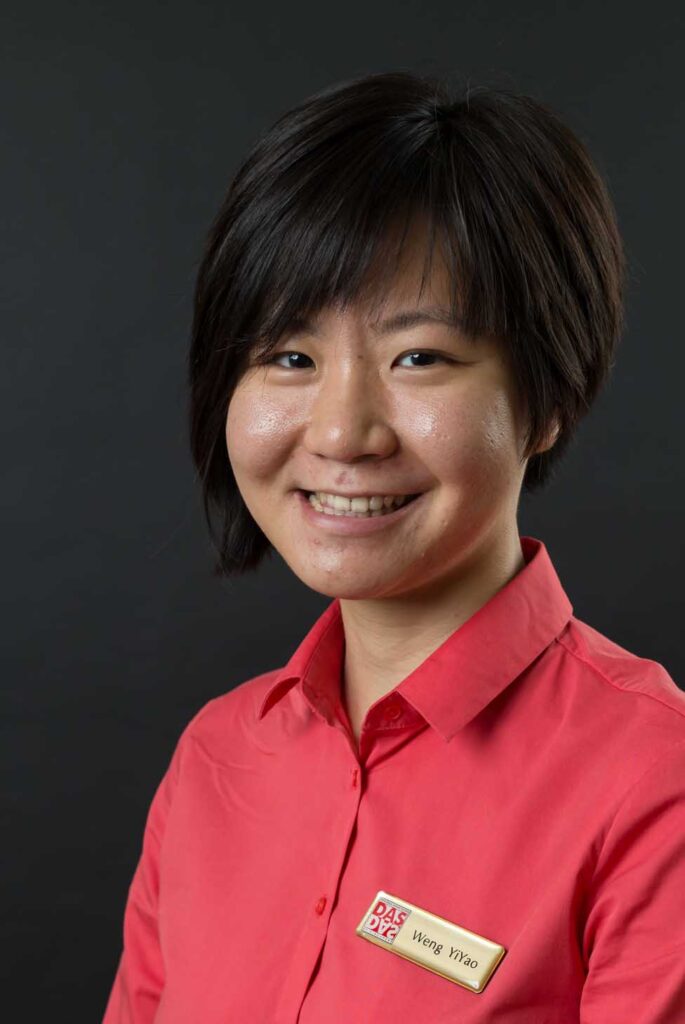
Weng Yiyao
DAS Preschool Programme Manager and Lead Educational Therapist
About The Author
Weng Yiyao is the Lead Educational Therapist and Preschool Programme Manager at the Dyslexia Association of Singapore (DAS). With over a decade of experience, she specialises in supporting preschoolers with dyslexia through targeted literacy interventions. Passionate about empowering young learners, Yiyao is also a fellow of the Register of Educational Therapists Asia (RETA) and holds a Master of Arts in Special Educational Needs.