
How is the DAS Chinese Programme Different from Tuition and Enrichment Centres?
For many children with dyslexia or other Specific Learning Differences (SpLDs), learning Chinese can feel overwhelming especially when the focus is on memorisation, rote drilling, and chasing grades.
At the Dyslexia Association of Singapore (DAS), we understand that frustration. That’s why the DAS Chinese Programme is not just another tuition or enrichment class, it’s a programme specially designed for children who learn differently. We are research-based, tailored to each child, and built around helping them succeed at their own pace.
A Specialised Approach for Struggling Learners
Our programme offers intervention based on the Orton-Gillingham (OG) principles which is structured, cumulative, and multisensory. It is delivered by Educational Therapists trained specifically to teach students with learning difficulties.
One key difference is what and how we teach. While tuition and enrichment centres may focus on following the MOE syllabus strictly and at a fast pace, we peg learning to the child’s ability, not their school level. This allows us to close learning gaps systematically while avoiding unnecessary stress.
We reference the MOE syllabus to ensure relevance but adapt our lessons to suit the individual learner. Our small-group classes focus on foundational skills such as oracy, vocabulary, sentence structure, reading comprehension, and writing, they are taught in a way that students can truly understand, practise, and apply.
Why Word Recognition Matters, And How We Teach It Differently
Word recognition is often one of the biggest challenges for students learning Chinese. Many struggle to remember characters they have seen multiple times, confuse similar-looking ones such as 家 and 象, or can’t recall them during writing or reading tasks. Unlike alphabetic languages, Chinese characters are not phonetically transparent, making the process even more complex for these learners.
This is where our programme shines. One of the key highlights of our curriculum is our explicit teaching of word recognition strategies, such as Semantic Radical Method (understanding parts of characters that suggest meaning) and Phonetic Radical Method (recognising sound-related clues in characters).
These strategies help students to develop not just memorisation, but practical insights into how characters work, enabling better retention and recall. By focusing on strategy, and not just repetition, students gain confidence and a toolkit they can apply independently both in and out of class.
Thematic Learning for Deeper Engagement
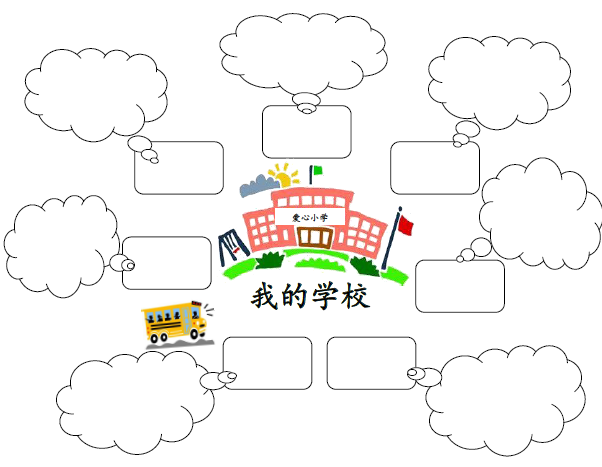
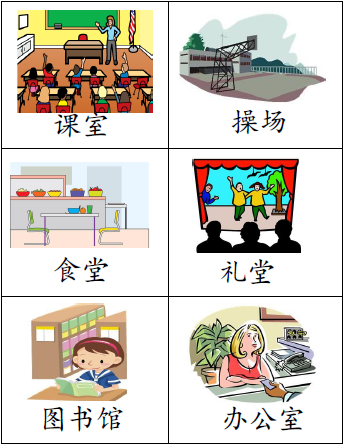
Another cornerstone of our approach is our thematic curriculum, where content is organised around familiar and engaging themes such as family, school life, or hobbies. This gives students a more meaningful context to practise vocabulary and sentence structures, making learning more enjoyable and easier to remember.
Lessons are presented in bite-sized, scaffolded steps to match students’ attention span and processing abilities, with repeated exposure built into the themes to reinforce retention. This style of learning, coupled with multisensory tools, helps bring Chinese to life, especially for students who learn better with visuals, hands-on materials, or storytelling.
Placement through Profiling – A Targeted Start
To join our programme, your child will need to first sit for a profiling test to assess their current skills and learning needs. This one-time session (with a payable amount of $57.25) helps us understand your child’s Chinese language abilities, so we can match them to the most suitable class. Our Chinese Educational Therapists will share their observations and discuss how the programme can support your child.
Learn with Us
At DAS, we don’t just teach Chinese. We teach children how to learn Chinese. We believe every child can learn Chinese, given the right methods and support.
Click here to learn more about the DAS Chinese Programme, our teaching approach, and application.