The Magic of Active Play
Screens are now part of everyday family life. They can be useful when parents need a moment to cook, travel, work or manage a busy day. The aim is not to remove screens completely or make parents feel guilty. Instead, the goal is balance: to scroll a little less and protect more time for the play, movement and conversation that toddlers and preschoolers need most.
What Children Miss Out When Screens Stay On
When screens stay on for too long, children may miss out on the experiences that support healthy development:
- Connection and language: Young children learn words, expressions and social rules through back-and-forth interaction. Face-to-face chat helps them practise listening, speaking, sharing, turn-taking and reading expressions in ways a screen cannot fully replace.
- Movement: Climbing, dancing, running, jumping and balancing build strength, coordination and body awareness. Active play also helps children release energy, practise self-control and settle more easily into daily routines.
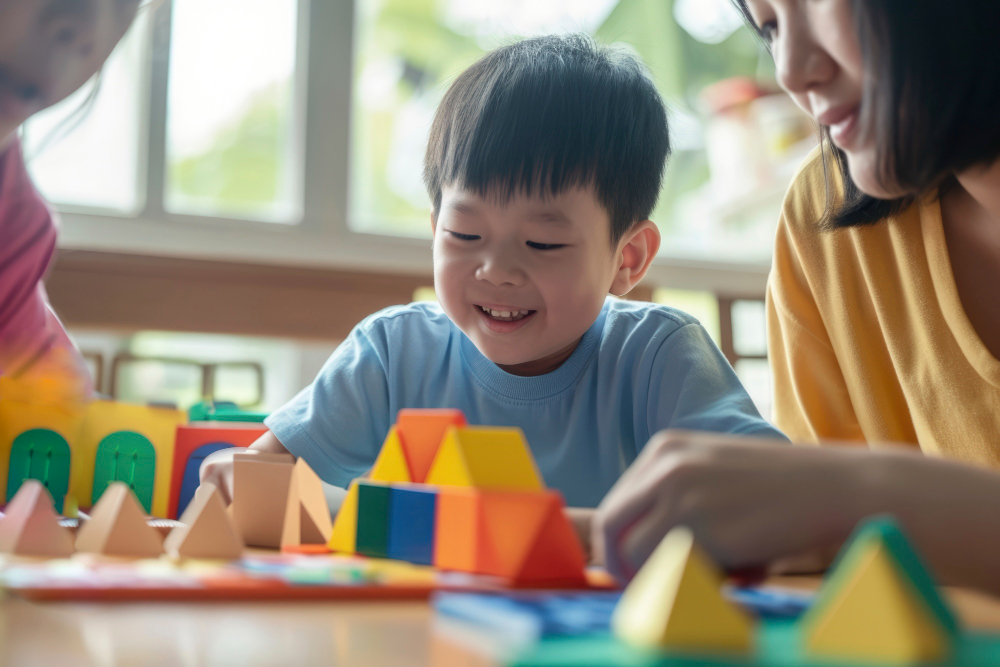
- Thinking and creativity: Hands-on and pretend play let children experiment, solve problems, use imagination and try again. When a tower falls or a pretend story changes direction, children learn flexibility and persistence.
“Play More” Toolkit Ideas
A helpful approach is not only to set limits, but to prepare simple swaps. Keep a few easy screen-free ideas ready for moments when the phone or TV would usually appear. Most use things already available at home, and they do not need to be perfect or Pinterest-worthy to be meaningful.
- Dough play: Let your child roll, squeeze and shape dough into food, animals or birthday cakes. This strengthens little fingers and invites pretend stories.
- Box play: Turn delivery boxes into tunnels, towers, houses or drawing surfaces. A plain box can become anything when children lead the idea.
- Dance break: Play one upbeat song and move together. It gives children a burst of movement and can reset the mood during a long afternoon.
- Nature walk: Look for three leaves, a smooth rock or something colourful. Even a short walk can encourage children to observe, describe and ask questions.
- Tape tracks: Make roads for toy cars or balance lines to walk along. These simple paths support imagination, coordination and problem-solving.
- Sock toss: Roll clean socks into soft balls and toss them into a basket. This supports aim, counting and turn-taking.
- Flashlight hunt: Dim the room slightly and shine a light on colours, shapes or familiar toys for your child to find.
- Toy rescue: Wrap small toys in scarves, towels or paper and let your child “rescue” them. This builds finger strength and problem-solving.
Progress Over Perfection
Going completely screen-free is not the goal. Small, consistent changes are easier to keep. Start with one predictable swap each day: 15 minutes less scrolling for 15 minutes of dancing, building, drawing, talking or outdoor exploring. If screen time is needed, choose it intentionally, then help your child move on with a clear cue such as, “As soon as this song ends, we will build a tower.”
It also helps to protect screen-free moments. Turn off background TV during meals, keep the phone away during short rides when possible, and use bedtime for calming routines such as stories, songs or chat. These deliberate moments may seem small, but they create more opportunities for children to notice, listen, speak and connect.
The message is clear: screens can have a place in family life, depending on the circumstances. They should not replace the playful experiences that help young bodies, minds and relationships grow. By scrolling a little less and playing a little more, toddlers and preschoolers gain more opportunities to move, imagine, communicate and thrive.