


Building Vocabulary Through Storybooks: Learning with Little Bear, Run! 通过故事阅读提升词汇能力——以《小熊,快跑》为例

Written by: Sandy Chia, Educational Therapist

对很多学生来说,尤其是对于读写困难(Dyslexia)的学习者来说,用死记硬背字卡的方式来学新词汇往往难以留下深刻印象,学习过程也十分枯燥。 相比之下,用读故事来学习词汇是一种更有效、也更有趣的方法 。学生不仅可以在故事里看到词语的实际运用,还可以通过故事情节理解词语的意思 。

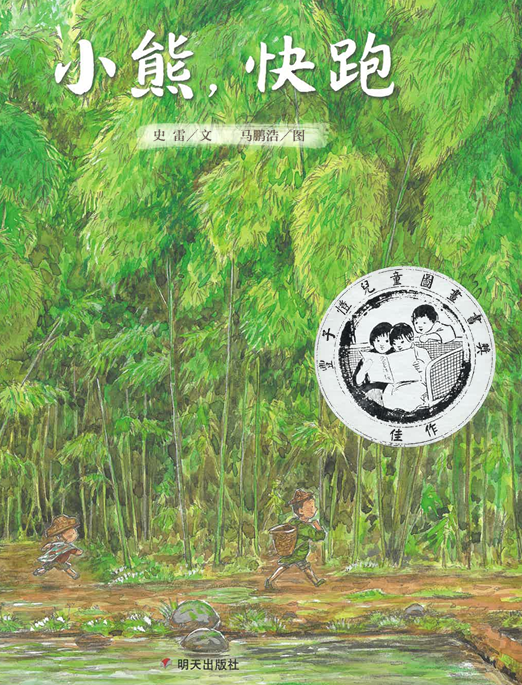
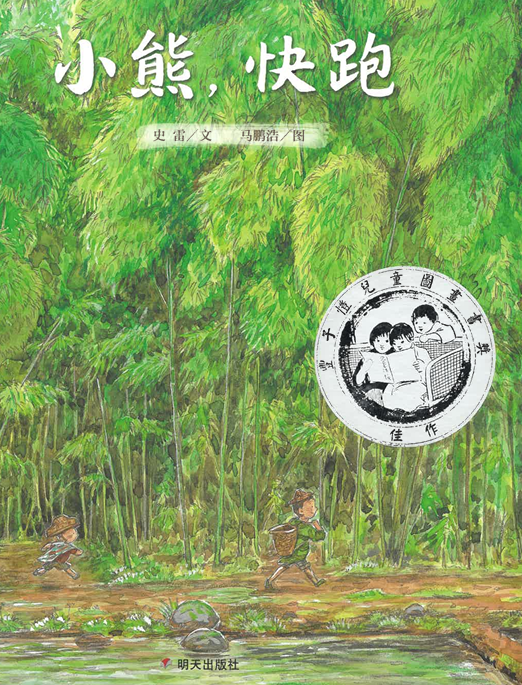
本章将以史雷.丰子恺儿童图画奖佳作奖《小熊,快跑》儿童文学作品为例,讲述一个小男孩随妈妈去赶场,意外碰见一只小熊的故事,并说明如何边读故事,边有效学习词汇。

一、先读懂故事大意

第一次阅读时,不要急着搜查每一个不认识的词义,以避免打扰阅读内容的兴致。建议先把故事从头到尾读一遍,理解故事讲了什么内容。比如,读《小熊,快跑》中的开篇时,可以注意:小男孩在做什么?他在哪里?和谁在一起?发生了什么事?故事有什么转折?故事的结尾是什么?

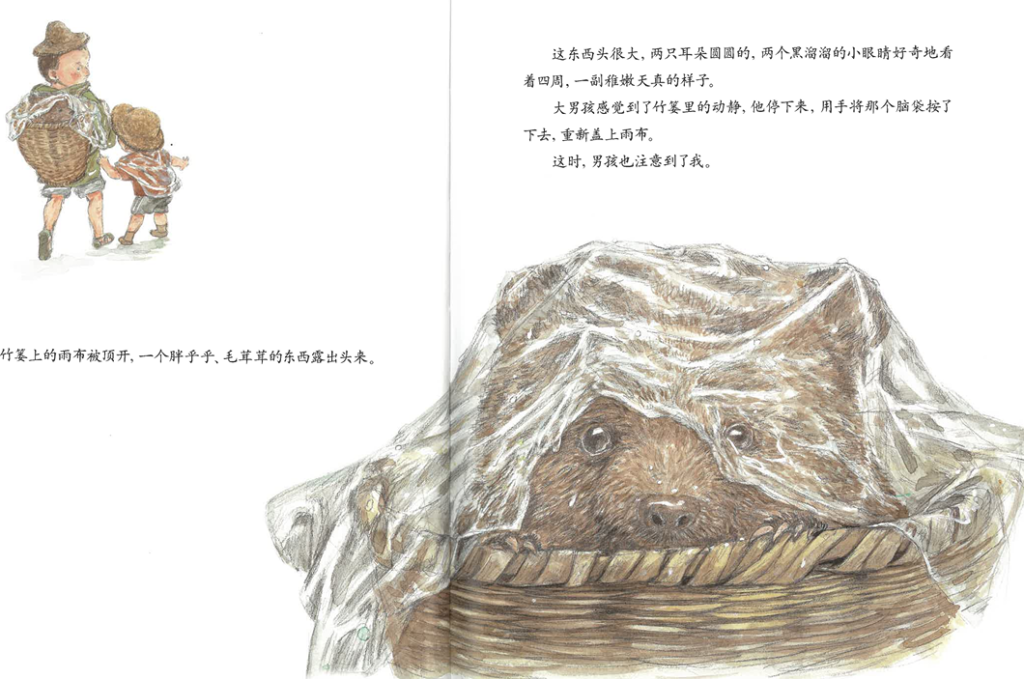
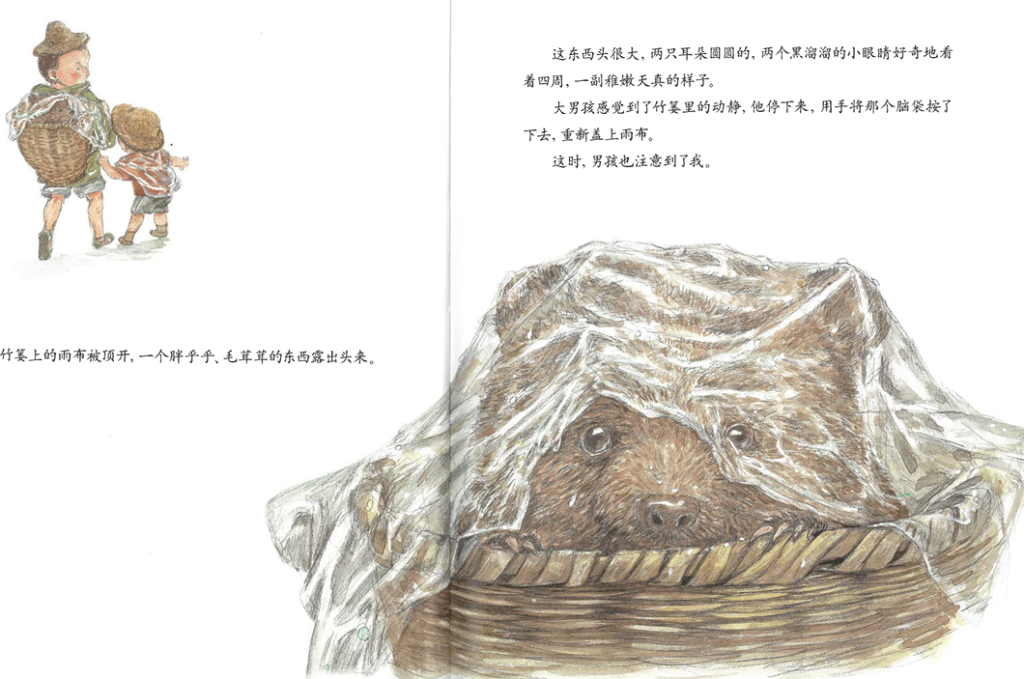
通过理解大意,学生能够建立故事的整体框架。即使遇到不认识的词语,也可以通过图片来理解词汇的大致意思。例如,在描述 “竹篓上的雨布被顶开,一个胖乎乎、毛茸茸的东西露出头来。” 时,读者可以从图中看到竹篓的图像,进而产生联想。当我们看到小熊的图像时,也会立即对“毛茸茸”、“胖乎乎”有所理解。

二、找出4-5个词汇

(词汇数量视学生视能力而定。学习能力较弱者可选出1-3个词汇,以避免一次性学习过多词汇,给学生造成负担,影响学习效果。)

第二遍阅读时,可以拿出笔,把不认识或不太理解的词圈出来。例如在《小熊,快跑》中会出现这样的词语:稚嫩天真、不由自主、斗笠、松了口气、着急、消失、瑟瑟发抖、惊讶等。

圈出这些词后,可以采用以下方法理解词义:

  • 查字典,弄清楚词语意思
  • 向老师或家长请教

例如,“惊讶”一词出现在大男孩反问作者时看见的一幕。通过“我侧头惊讶地望着大男孩,这才发现他的脸上洋溢着笑容” ,可以理解为作者大吃一惊,没想到大男孩其实是故意让小熊逃走的。

三、通过句子记词

学习词语时,不要只记单独的词,要把它和句子一起记下来。例如:

  • 词汇:不由自主
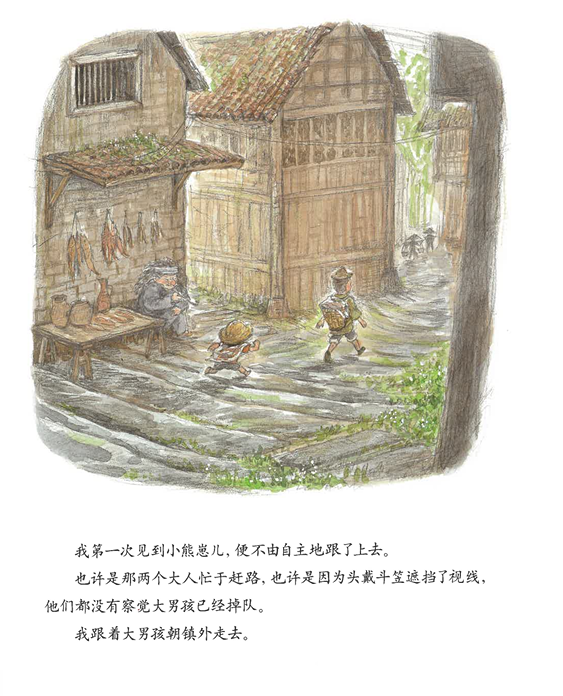
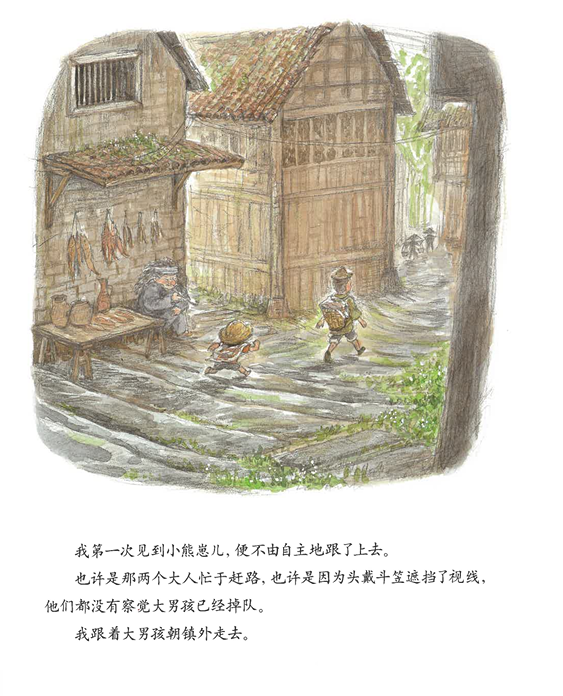
  • 句子:我第一次见到小熊崽,便不由自主地跟了上去。
  • 词汇:松了口气
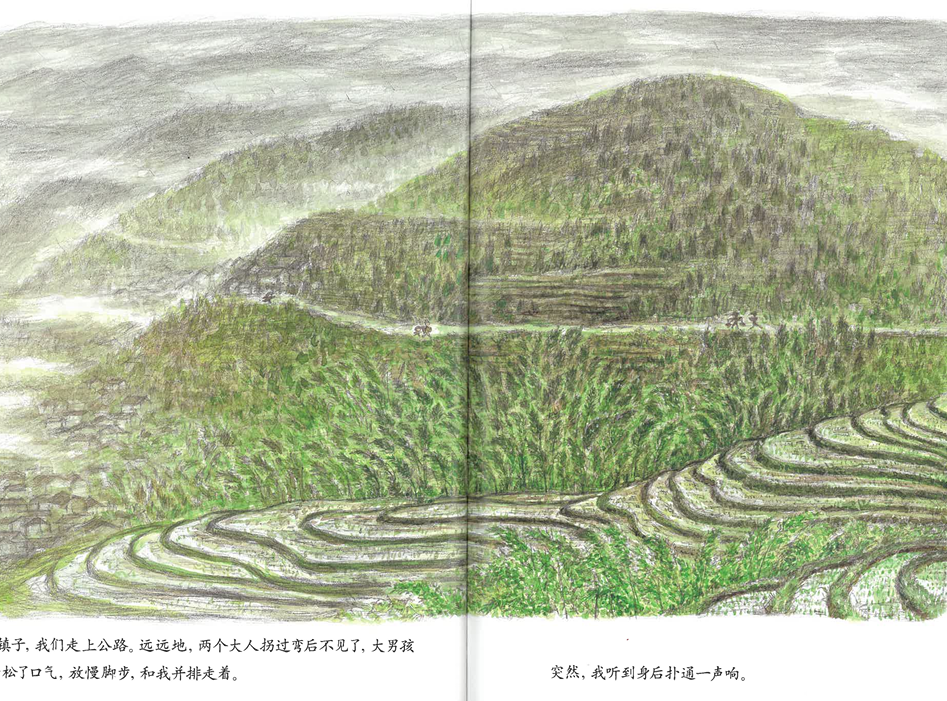
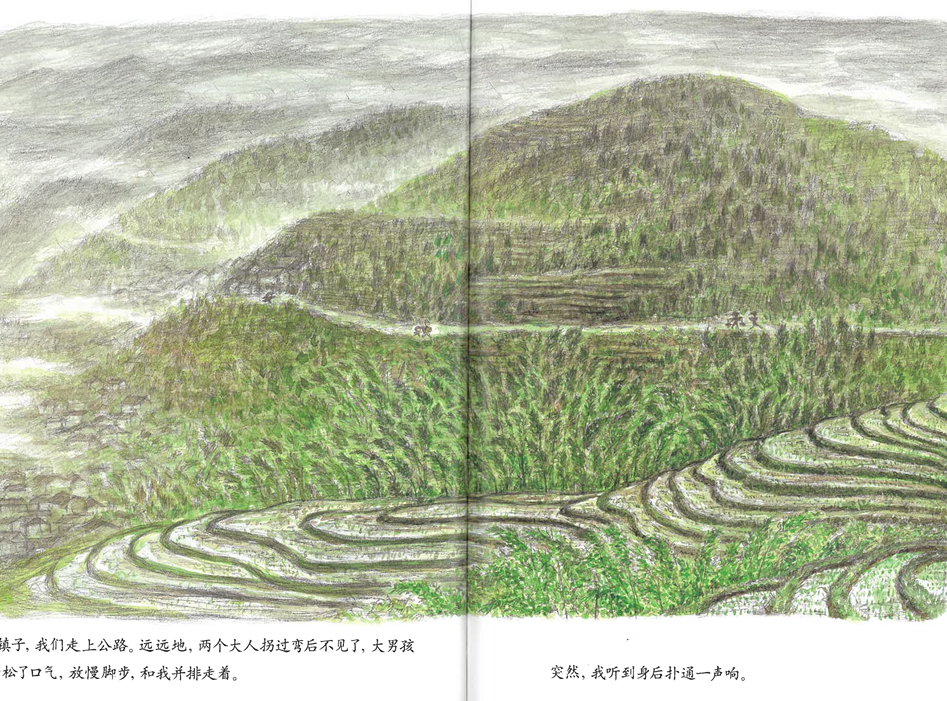
  • 句子:远远地,两个大人拐弯后不见了小熊,大男孩松了口气,放慢脚步,和我并排走着。

通过句子记词,不仅能记住词义,还能知道这个词在实际语境中如何使用。

四、造句

学习词语时,不仅要记住词义,还要学会在句子里使用它们。建议准备一本小词汇本,每次读故事时把遇到的重要词语记录下来,同时尝试用这些词语造句。例如,在《小熊,快跑》中,你可以把以下词语记录在词汇本里:在记录词语、词义的同时,你可以用这些词语造属于自己的句子,例如:

  • 不由自主  例句:我第一次见到小熊崽,便不由自主地跟了上去。(造句:看到铅笔断了,妹妹的眼泪不由自主地流下来。)
  • 松了口气   例句:远远地,两个大人拐弯后不见了小熊,大男孩松了口气,放慢脚步,和我并排走着。(造句:看到成绩单上没有红字,哥哥松了口气。)

通过记录和造句方式,你既能整理和复习学到的新词汇,也能把词语真正应用到自己的语言表达中,让学习更有效,提升表达能力。

五、重复阅读故事

过几天再读《小熊,快跑》,学生会发现许多词语已经熟悉。重复阅读不仅帮助记忆,还能让学生发现之前没有注意到的词语和表达方式。例如,第一次读时可能只注意了“停下”和“注意”,再读时可能会发现“扑通一声响”等词语。

通过重复阅读,词汇量会逐渐积累,语言理解和阅读能力也会提高。

六、写下或说说阅读心得

最后,除了学习词汇,阅读故事的另一个重要目的是培养学生的阅读感受和表达能力。在读完《小熊,快跑》后,家长或陪读者可以让孩子简单写下或说出自己的心得体会。我们可以引导孩子回答以下问题,以鼓励更主动地思考和表达:

  • 你喜欢还是不喜欢这本作品?为什么?
  • 故事中哪一句话、哪个情节或哪个人物的表情让你印象深刻?
  • 如果你是故事里的主人公,你会怎么做?

例如,有的学生可能会说:“我喜欢《小熊,快跑》,因为故事的情节让我意想不到。” 又或者有的学生会说:“我印象最深的一句话是,真送到了动物园,你舍得吗?” 分享心得环节,主要目标是让孩子随心发表感想。

✅ 简单总结

 读故事 → 找生词 → 查意思 → 记句子 → 自己造句 → 再读一遍→ 写下或说说阅读心得

应用《小熊,快跑》学习词汇,不仅让学生掌握了具体的词语,还能通过情节理解词义和使用方法。通过这个过程,学生的语言能力会在阅读、记忆和表达中逐步提升。

DAS的课程中,我们也会在故事导读中运用结构化与多感官语言教学的核心理念。

其核心包括:

  • 通过整体理解故事内容建立“理解框架”,降低直接面对生词时的认知负担
  • 根据学生能力分层设定学习目标,避免学习任务过载
  • 将词汇从记忆层面延伸至句子与个人表达中的实际运用
  • 结合相关词语认读、词汇扩展及句型练习,帮助学生在反复接触与应用中进行“滚动式学习”,逐步巩固语言能力

例如:教师对本文的词语“惊讶”进行说明:教师可先引导学生理解“惊讶”的意思,再结合学生已学过的近义词或相关词汇(如“吃惊”“意外”),帮助学生建立词汇联系。接着,教师讲解“惊讶”这个词在故事的语境中如何使用,加上句型练习(如“他听到这个消息,感到十分惊讶。”),让学生在不同语境中运用词语,最后再配合识字教学,复习“讶”字的字形、部首及构词,体现课程词汇、句型与识字相互结合、滚动复习、持续巩固的教学特色。

这些原则的重点在于,将词汇学习从机械记忆转向有意义的语言使用,从而逐步提升学生的独立表达能力。

Building Vocabulary Through Story Reading: Learning with Little Bear, Run! 《小熊,快跑》

For many students, especially learners with dyslexia, memorising new vocabulary through flashcards often leaves little lasting impression and can make learning feel repetitive and dull. In comparison, learning vocabulary through story reading is both more effective and more engaging. Students not only see how words are used in context, but also understand their meanings through the storyline.

This article uses Little Bear, Run! 《小熊,快跑》, a recipient of the Feng Zikai Chinese Children’s Picture Book Award, as an example. The story follows a young boy who accompanies his mother to the market and unexpectedly encounters a little bear. It also demonstrates how students can build vocabulary effectively while reading a story.

1. Read to Understand the Story First

During the first reading, avoid looking up the meaning of every unfamiliar word, as this can interrupt the flow and enjoyment of the story. Instead, read the story from beginning to end to understand what it is about.

For example, when reading the opening of Little Bear, Run!, think about questions such as:

  • What is the little boy doing?
  • Where is he?
  • Who is he with?
  • What happens?
  • What is the turning point of the story?
  • How does the story end?

By understanding the overall storyline, students build a framework for understanding the text. Even when they come across unfamiliar vocabulary, they can often infer the meaning through the illustrations.

For example, the story describes:

The rain cover over the bamboo basket was pushed aside, and something plump and fluffy poked its head out.

From the illustration, readers can identify the bamboo basket and make connections between the picture and the text. When they see the little bear, they can also understand the meanings of words such as “fluffy” and “plump” through the visual context.

2. Select Four to Five Vocabulary Words

(The number of words should be adjusted according to the student’s ability. Learners who require more support may begin with one to three words to avoid cognitive overload and ensure effective learning.)

During the second reading, students can use a pencil to circle words they do not know or do not fully understand.

Examples from Little Bear, Run! include:

  • 稚嫩天真 (zhìnèn tiānzhēn) – innocent and childlike
  • 不由自主 (bù yóu zì zhǔ) – involuntarily
  • 斗笠 (dǒulì) – bamboo hat
  • 松了口气 (sōng le kǒu qì) – breathed a sigh of relief
  • 着急 (zháojí) – anxious
  • 消失 (xiāoshī) – disappeared
  • 瑟瑟发抖 (sèsè fādǒu) – trembling
  • 惊讶 (jīngyà) – surprised

After identifying these words, students can learn their meanings by:

  • Looking them up in a dictionary.
  • Asking a teacher or parent for help.

For example, the word 惊讶 (surprised) appears when the narrator reacts to the older boy:

我侧头惊讶地望着大男孩,这才发现他的脸上洋溢着笑容。

From the context, readers can understand that the narrator was surprised to discover that the older boy had deliberately allowed the little bear to escape.

3. Learn Vocabulary Through Sentences

When learning vocabulary, do not memorise words in isolation. Instead, learn them together with the sentences in which they appear.

Vocabulary: 不由自主 (bù yóu zì zhǔ) – involuntarily

  • Example sentence: 我第一次见到小熊崽,便不由自主地跟了上去。(When I saw the little bear for the first time, I involuntarily followed it.)

Vocabulary: 松了口气 (sōng le kǒu qì) – breathed a sigh of relief

  • Example sentence: 远远地,两个大人拐弯后不见了小熊,大男孩松了口气,放慢脚步,和我并排走着。(After the two adults turned the corner and lost sight of the little bear, the older boy breathed a sigh of relief, slowed his pace, and walked beside me.)

By learning vocabulary through complete sentences, students not only remember the meanings of words, but also understand how they are used in authentic contexts.

4. Create Your Own Sentences

When learning new vocabulary, students should not only remember the meanings of words but also learn to use them in their own writing and speech.

It is helpful to prepare a vocabulary notebook. Each time students read a story, they can record important new words together with their meanings and then practise using them in their own sentences.

For example, after reading Little Bear, Run!, students can record the following words in their vocabulary notebook.

Vocabulary: 不由自主 (bù yóu zì zhǔ) – involuntarily

  • Example sentence: 我第一次见到小熊崽,便不由自主地跟了上去。(When I saw the little bear for the first time, I involuntarily followed it.)
  • My sentence: 看到铅笔断了,妹妹的眼泪不由自主地流下来。(When my younger sister saw that her pencil had snapped, tears began to roll down her cheeks involuntarily.)

Vocabulary: 松了口气 (sōng le kǒu qì) – breathed a sigh of relief

  • Example sentence: 远远地,两个大人拐弯后不见了小熊,大男孩松了口气,放慢脚步,和我并排走着。(After the two adults turned the corner and lost sight of the little bear, the older boy breathed a sigh of relief, slowed his pace, and walked beside me.)
  • My sentence: 看到成绩单上没有红字,哥哥松了口气。(When my brother saw that there were no failing grades on his report card, he breathed a sigh of relief.)

By recording vocabulary and creating their own sentences, students can organise and review newly learnt words while applying them in their own language. This makes learning more meaningful and strengthens their ability to express themselves.

5. Read the Story Again

Read Little Bear, Run! again a few days later. Students will discover that many of the vocabulary words have already become familiar.

Repeated reading not only strengthens memory but also helps students notice words and expressions they may have overlooked the first time. For example, during the first reading, they may only notice words such as “stopped” or “noticed”. When they read the story again, they may begin to notice expressions such as “with a loud thud”.

Through repeated reading, students gradually expand their vocabulary while improving their language comprehension and reading skills.

6. Write or Share Your Reflections

Besides learning vocabulary, another important purpose of reading stories is to develop students’ ability to think about what they have read and express their ideas.

After reading Little Bear, Run!, parents or reading companions can encourage children to write a short reflection or simply talk about their thoughts.

You can guide children with questions such as:

  • Did you like the story? Why or why not?
  • Which sentence, scene or character’s expression left the deepest impression on you?
  • If you were the main character, what would you have done?

For example, some students may say:

I liked Little Bear, Run! because the ending was unexpected.

Others may say:

The sentence that left the deepest impression on me was, “If the little bear were really sent to the zoo, could you bear to let it go?”

The main purpose of sharing reflections is to encourage children to express their own thoughts and feelings freely.

Summary

Read the story → Identify unfamiliar words → Find their meanings → Learn them through sentences → Create your own sentences → Read the story again → Write or share your reflections

Using Little Bear, Run! to learn vocabulary helps students master not only individual words but also their meanings and usage through the story. As students read, remember and use new vocabulary, their language skills develop naturally over time.

How We Apply This at DAS

In the DAS Chinese Programme, we also apply the core principles of Structured and Multisensory Language Teaching during guided story reading.

These core principles include:

  • Building a framework for understanding by first helping students understand the overall story, reducing the cognitive load of encountering unfamiliar vocabulary.
  • Setting learning goals according to each student’s ability to avoid overwhelming learners with too many new words at once.
  • Extending vocabulary learning beyond memorisation by encouraging students to use new words in sentences and personal expression.
  • Combining Chinese character recognition, vocabulary expansion and sentence pattern practice to provide repeated exposure and application, allowing students to consolidate their language skills through spiral learning.

For example, when teaching the word 惊讶 (jīngyà, “surprised”), the teacher first helps students understand its meaning. Next, the teacher connects it with synonyms or related words that students have already learnt, such as 吃惊 (“shocked”) or 意外 (“unexpected”), helping students build connections between related vocabulary.

The teacher then explains how 惊讶 is used within the context of the story and provides sentence pattern practice, for example:

他听到这个消息,感到十分惊讶。

“He was very surprised when he heard the news.”

Finally, the lesson incorporates Chinese character instruction by reviewing the structure, radical and word formation of the character . This integrated approach combines vocabulary, sentence patterns and Chinese character learning, reinforcing students’ language development through continuous revision and practice.

The key principle behind this approach is to move vocabulary learning beyond rote memorisation and towards meaningful language use, helping students gradually become more confident and independent communicators.